
Creating a Calm Haven: How to Build a Low-Stress Home Environment for Your Anxious Child
Gay Ben Tré, D.A.O.M., R.N.
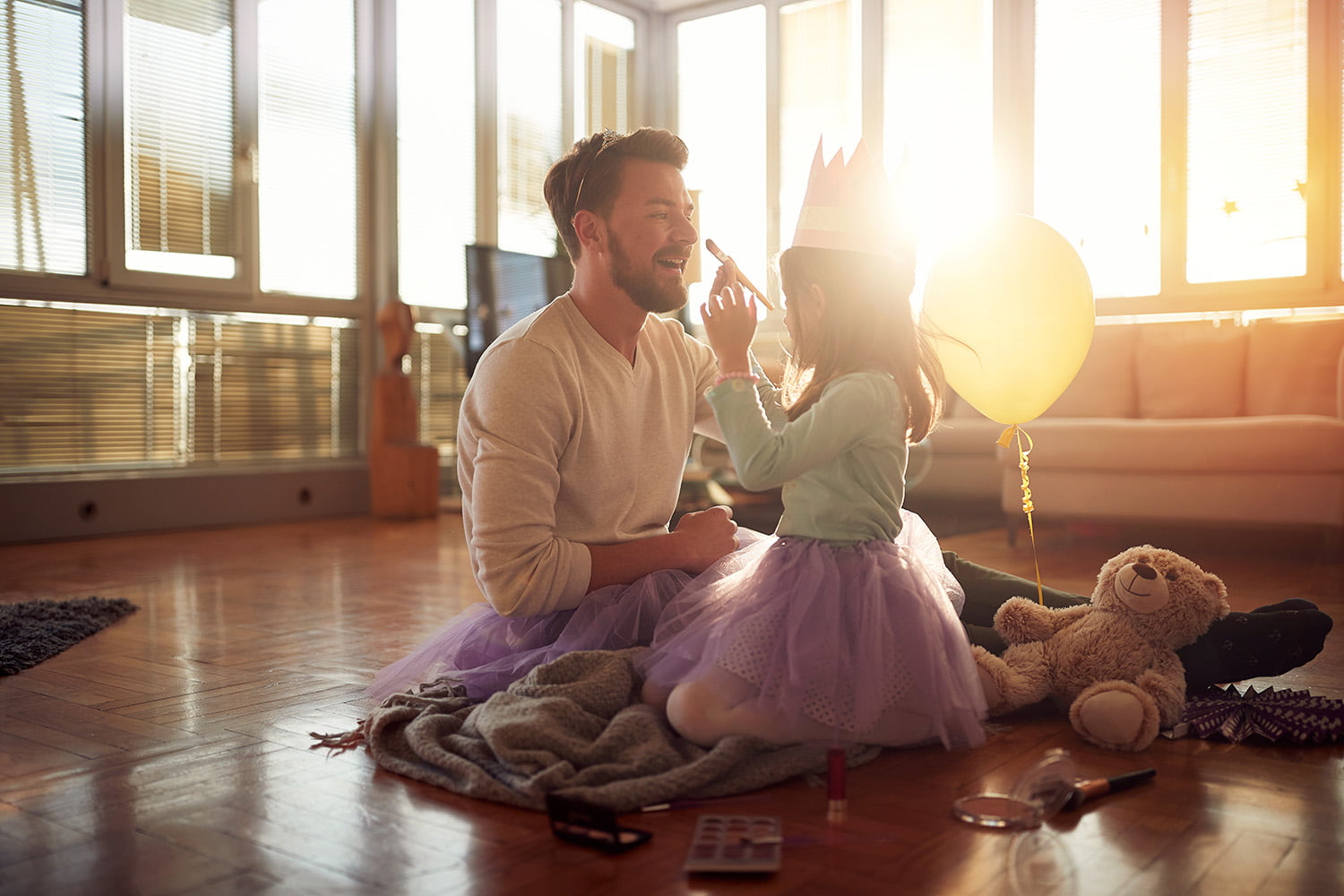
Living in today’s fast-paced world, children are exposed to many and various stressors. For children dealing with frequent anxiety, these stressors can be particularly challenging to manage.
As parents, one of the most impactful ways to support your child (and yourself) is by creating a low-stress home environment. In this article, we’ll explore specific strategies to design a calming and nurturing space for your child and family.
 Understanding Anxiety Triggers
Before diving into the strategies, it’s crucial to understand anxiety triggers in children. These triggers can vary from child to child, but common ones include academic pressures, social situations, family conflicts, and even environmental factors within the home. By identifying potential triggers, you can take proactive steps to minimize their impact.
Designing a Stress-Reducing Home Environment
Establish Predictable Routines
Routine and predictability are vital for children, especially those with frequent anxiety. Knowing what they can expect can help alleviate stress and uncertainty. Here’s how to establish predictable routines at home:
- Create a Daily Schedule: Develop a daily routine that includes fixed times for waking up, meals, schoolwork, and bedtime. Consistency is key to reducing anxiety.
- Set Bedtime Routines: A calming bedtime routine can prepare your child for a restful night’s sleep. This may include activities like reading a book or practicing relaxation techniques.
Organize Clutter-Free Spaces
A cluttered and disorganized environment can increase stress and overwhelm for anyone, especially for children with anxiety. Consider the following strategies to maintain an organized and clutter-free space:
- Declutter and Organize: Regularly go through your child’s belongings and encourage them to keep only what they need. Donate or store items that are no longer used.
- Designate Calm Areas: Create designated spaces in the home that are free from clutter and distractions, where your child can retreat when feeling overwhelmed.
Promote a Relaxing Atmosphere
The atmosphere within your home plays a significant role in your child’s overall well-being and anxiety levels. To promote a calming atmosphere, consider the following factors:
- Sensory Elements: Pay attention to sensory elements such as colors, lighting, and scents. Soft, neutral colors and gentle lighting can create a soothing ambiance. Lavender or chamomile scents can also be calming. Be sure to avoid commercial scents filled with chemicals! Instead, use an inexpensive aromatherapy diffuser with pure essential oils.
- Calming Decor: Decorate your child’s room or designated calm areas with items that promote relaxation, such as soft blankets, plush pillows, and calming artwork.
Reduce Noise and Distractions
Excessive noise and distractions can heighten anxiety levels in children. Minimizing these factors can significantly contribute to a more tranquil home environment:
- Minimize Noise Pollution: Identify sources of noise pollution in your home and take steps to minimize them. This may involve using noise-cancelling curtains, rugs, or even earplugs if necessary.
- Manage Screen Time: Excessive screen time, especially with stimulating content, can contribute to anxiety. Set reasonable screen time limits and encourage outdoor and offline activities.
Encourage Healthy Lifestyle Habits
A child’s physical health is closely linked to their emotional well-being. Ensuring a balanced diet and regular physical activity can help reduce anxiety:
- Nutrition and Balanced Diet: Pay attention to your child’s diet, as certain foods can exacerbate anxiety symptoms. Limit sugary and caffeinated snacks and prioritize whole, nutritious foods. Be sure and provide nutritious and easily accessible snack foods. A hungry child will have more trouble handling stress in the environment.
- Physical Activity: Regular physical activity has been shown to reduce anxiety. Encourage your child to engage in age-appropriate physical activities, whether it’s playing in the backyard or participating in sports. When your child has the fidgets challenge them to spontaneous movement like dancing, hopping, marching, etc. to help shift their mood.
- Dietary Supplements: Consider adding dietary supplements into your child’s routine to help support the body systems in charge of calming anxiety. Children who inherit susceptibility to anxiety will especially benefit from the specialized micronutrients in targeted supplements.* See www.calmone.com/science for information about our supplement for all ages.
Creating a Supportive and Open Environment
In addition to the physical aspects of the home environment, emotional and social support is crucial for children with anxiety. Here’s how to create a supportive and open environment:
Encouraging Communication
- Open Dialogue: Foster open and honest communication with your child. Encourage them to share their feelings, fears, and concerns without judgment.
- Active Listening: Practice active listening by giving your child your full attention when they want to talk. Validate their feelings and acknowledge their struggles.
Building a Support Network
- Seek Professional Help: If your child’s anxiety is severe or significantly impacting their daily life, consider seeking professional help from a therapist or counselor who specializes in pediatric anxiety.
- Involve Family and Friends: Ensure that your child has a support system within the family and among friends. Encourage understanding and empathy from siblings and peers.
- Support Groups: Look for support groups for parents and children dealing with anxiety. These groups can provide valuable guidance, shared experiences, and a sense of community. But make sure to choose support groups that are focused on the positive and not just providing an opportunity for negativity and complaining.
Monitoring Progress and Adjusting
Creating a stress-free home environment is an ongoing process. It’s essential to monitor your child’s progress and be flexible in making adjustments when necessary.
- Keep Track of Anxiety Levels: Pay attention to your child’s anxiety levels and any changes in their behavior or emotional state. Journaling or regular check-ins can help you stay objective and assess what’s going on.
- Identify New Triggers: Be watchful for new anxiety triggers that may arise. Address these triggers promptly and consider seeking professional guidance if needed.
- Celebrate Progress: Celebrate your child’s achievements and progress in managing their anxiety. Positive reinforcement can boost their confidence and motivation.
- Don’t Forget to Celebrate Yourself and your commitment to your child. You are the Emotional Heart of the family and even when you don’t know exactly what to do, your Positive Intentions are working in wondrous ways!
Conclusions
Creating a calm haven at home for you and your child can be a transformative experience. By understanding anxiety triggers, designing a stress-reducing home environment, encouraging healthy lifestyle habits, fostering open communication, and seeking support, you can provide invaluable support to your child as you navigate the challenges of living with anxiety. Remember that everyone is unique, and it may take time to find the strategies that work best.
Ultimately, the goal is to create a loving and nurturing home where everyone feels safe, understood, and supported on their journey to managing anxiety.
*These statements have not been evaluated by the Food and Drug Administration. This product is not intended to diagnose, treat, cure, or prevent any disease.



 © 2024 BRILLIANT® LLC. All right reserved.