Best Deep Breathing Techniques for Anxiety Relief: A Guide for Adults and Children
Gay Ben Tré, D.A.O.M., R.N.

Why Does Deep Breathing Help Reduce Anxiety?
Have you ever noticed how your breathing changes when you’re anxious? Stress and anxiety trigger the fight-or-flight response, causing shallow, rapid breathing. This signals to your brain that something is wrong, keeping you stuck in a cycle of tension.
Deep breathing, however, activates the parasympathetic nervous system, also known as the “rest and digest” system. This slows your heart rate, lowers cortisol (the stress hormone), and helps you feel calmer. Research indicates that controlled breathing techniques can significantly reduce stress and anxiety, improving overall emotional well-being and resilience (Jerath et al., 2015).
The best part? You can do deep breathing anywhere, and it works for all ages. Below are some of the most effective techniques for both adults and children, along with tips to enhance their effectiveness.
Key Takeaways
- Deep breathing activates the parasympathetic nervous system, reducing stress and anxiety.
- Techniques like belly breathing, box breathing, and 5-4-3-2-1 grounding are effective and simple to practice.
- Practicing daily for 5–10 minutes helps build long-term stress resilience.
- Breathing exercises can be used anytime, anywhere to manage emotions and improve focus.
1. Belly Breathing (Diaphragmatic Breathing)
Best for: General anxiety relief, bedtime relaxation
Great for kids? Yes! Make it a game by calling it “balloon breathing.”
How to Do It:
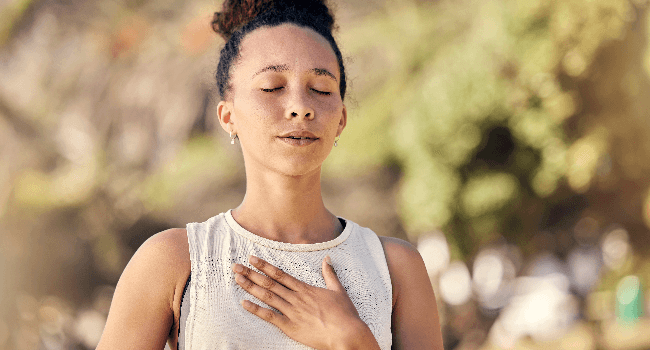
- Sit or lie down comfortably. Place one hand on your chest and the other on your belly.
- Inhale deeply through your nose for four seconds, feeling your belly rise (not your chest).
- Hold your breath for two seconds.
- Exhale slowly through your mouth for six seconds, feeling your belly fall.
- Repeat for 5–10 breaths.
Tips for Success:
- Make sure you’re breathing deeply into your diaphragm, not just your chest.
- Try this exercise before bed for better sleep.
- If your mind wanders, focus on the rise and fall of your belly.
Real-Life Example: Sarah, a busy mom, uses belly breathing before bed to relax after a long day. She finds that practicing for just five minutes helps her fall asleep faster and wake up feeling more refreshed.
When to Use It:
- Before bedtime to improve sleep.
- Anytime you feel anxious or overwhelmed.
2. Box Breathing (Four-Square Breathing)
Best for: Calming nerves before a stressful situation
Great for kids? Yes! It’s easy to follow with counting.
How to Do It:
- Inhale through your nose for four seconds.
- Hold your breath for four seconds.
- Exhale slowly through your mouth for four seconds.
- Hold again for four seconds before repeating.
Tips for Success:
- Try visualizing a square as you breathe in and out.
- This technique is great for high-pressure situations like presentations or exams.
Real-Life Example: Mark, a college student, practices box breathing before taking exams to calm his nerves and improve focus.
When to Use It:
- Before a big test, presentation, or social event.
- To reset your mind during moments of frustration.

3. 5-4-3-2-1 Grounding with Breath
Best for: Managing panic attacks
Great for kids? Yes! Helps them focus on their surroundings.
How to Do It:
- Take a deep breath in and slowly exhale.
- Notice five things you can see around you.
- Notice four things you can touch.
- Notice three things you can hear.
- Notice two things you can smell.
- Notice one thing you can taste.
- End with a deep breath.
When to Use It:
- During a panic attack or high-anxiety moment.
- To re-center when feeling overwhelmed.
4. Alternate Nostril Breathing (Nadi Shodhana)
Best for: Reducing stress and improving focus
Great for kids? Older kids may enjoy the hand movements.
How to Do It:
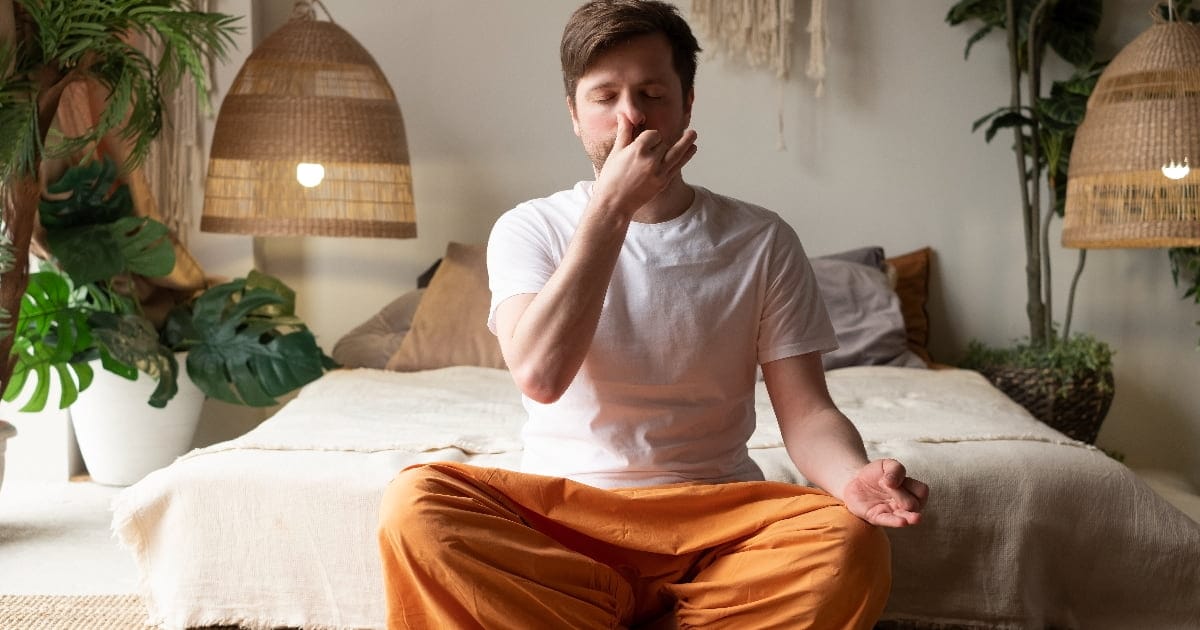
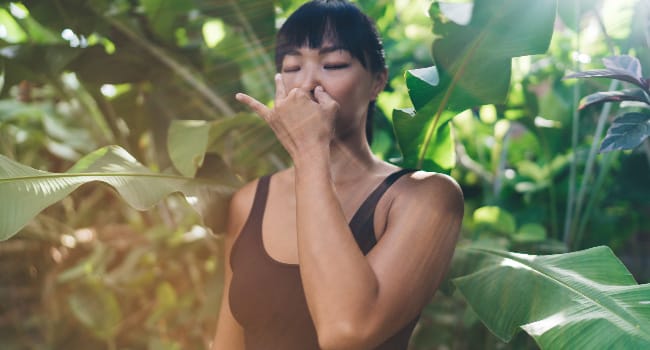
- Sit comfortably and use your right thumb to close your right nostril.
- Inhale deeply through your left nostril.
- Close your left nostril with your ring finger, then exhale through the right nostril.
- Inhale through the right nostril, close it, and exhale through the left.
- Repeat for 5–10 rounds.
When to Use It:
- To regain focus before studying or working.
- To calm the mind before meditation or sleep.
5. 4-7-8 Breathing (Relaxation Response)
Best for: Falling asleep faster and reducing anxiety
Great for kids? Yes, but best for ages 8+ due to the breath-holding.
How to Do It:
- Inhale through your nose for four seconds.
- Hold the breath for seven seconds.
- Exhale through your mouth for eight seconds, making a whooshing sound.
- Repeat 3–4 times.
When to Use It:
- Before bed to fall asleep faster.
- During moments of stress or frustration.
6. Humming Bee Breath (Bhramari)
Best for: Instant relaxation and reducing anger
Great for kids? Yes! The humming sound is soothing.
How to Do It:
- Sit comfortably and close your eyes.
- Inhale deeply through your nose.
- Exhale while making a humming “mmmm” sound.
- Feel the vibrations in your head and chest.
- Repeat for 5–7 breaths.
When to Use It:
- Before bedtime or during a meltdown.
- Anytime you need instant stress relief.
FAQs: Common Questions About Deep Breathing
How long should I practice deep breathing?
Most techniques work best when practiced for at least 5–10 minutes, but even a few deep breaths can make a difference in moments of stress.
Can deep breathing help with sleep disorders?
Yes! Deep breathing before bed can slow the heart rate, lower stress, and promote better sleep quality.
What is the best breathing technique for instant stress relief?
Box breathing and 4-7-8 breathing are great for immediate relaxation and focus.
Are there breathing exercises for kids who have trouble focusing?
Yes! belly breaths and 5-4-3-2-1 grounding work well for helping children stay present and engaged.
Should deep breathing be done daily?
Yes. Practicing regularly helps build resilience to stress and makes it easier to access calming techniques when needed.
Is deep breathing safe for everyone?
Yes, but if you experience dizziness or discomfort, slow down and breathe at a comfortable pace.
Final Thoughts: Breathe Your Way to Calm
Deep breathing is a simple, powerful tool for calming anxiety and stress. Whether you’re helping a child manage emotions or looking for ways to relax yourself, these techniques can restore balance and peace in just minutes.
Try them out and let us know: Which breathing exercise helps you feel the most calm? 💙
Looking for more ways to ease stress? Check out our guide on natural ways to reduce anxiety.
Call-to-Action
🌿 Looking for a natural way to enhance relaxation? Try CalmOne, a chewable anxiety supplement that supports relaxation without drowsiness. Shop now and take a deep breath—relief is here!
💙 We’d love to hear from you! Share your experience with deep breathing at stories@calmone.com.