
Anxiety Management for Children: 10 Effective Stress Reduction Techniques
Gay Ben Tré, D.A.O.M., R.N.
[Sassy_Social_Share]
Introduction
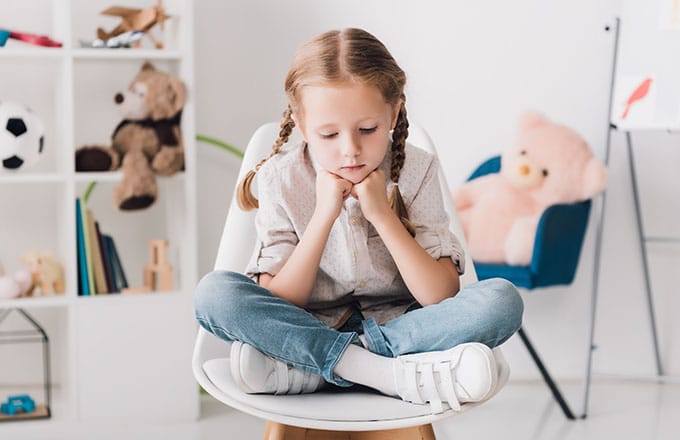
Childhood anxiety is more common than many parents realize, and without effective coping strategies, it can affect a child’s confidence, emotional well-being, and daily activities. Fortunately, research-backed stress management techniques can help children navigate anxious feelings and build resilience.
In this guide, we’ll explore 10 highly effective anxiety reduction techniques that can be taught to children, complete with easy-to-follow instructions.
 What Are the Best Ways to Reduce Anxiety in Children?
1. Deep Breathing Exercises
Why It Works:
Deep breathing activates the parasympathetic nervous system, reducing stress hormones and calming the body.
How to Teach It:
- Have your child sit comfortably and place one hand on their belly and the other on their chest.
- Instruct them to breathe in deeply through their nose for four seconds, feeling their belly rise.
- Have them hold the breath for two seconds.
- Guide them to exhale slowly through their mouth for six seconds.
- Repeat 5–10 times until they feel more relaxed.
Pro Tip: Turn this into a game by calling it “balloon breathing”—where they imagine inflating and deflating a balloon with their breath.
2. Progressive Muscle Relaxation (PMR)
Why It Works:
PMR helps children recognize physical tension and learn to release it, reducing overall stress levels.
How to Teach It:
- Ask your child to tighten their fists as hard as they can for five seconds, then release.
- Move through different muscle groups (shoulders, arms, legs, toes), tightening for five seconds and releasing.
- Finish with a full-body stretch and relaxation.
Pro Tip: Make it fun by calling it a “superhero strength test” before they relax their muscles.
3. Visualization and Guided Imagery
Why It Works:
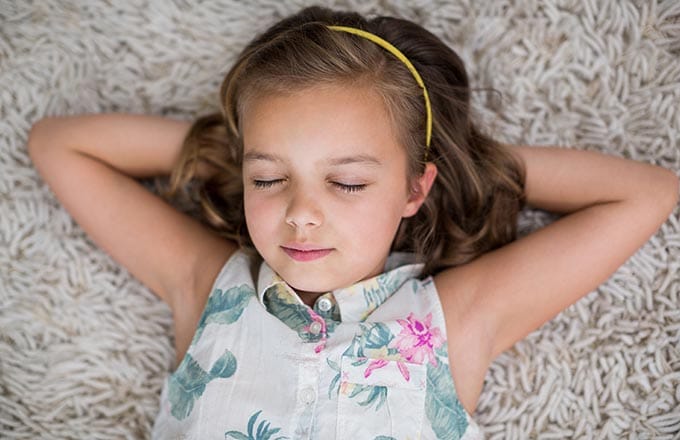
Visualizing a peaceful place distracts the mind from anxious thoughts and induces relaxation.
How to Teach It:
- Have your child close their eyes and take deep breaths.
- Ask them to imagine a calm, happy place (a beach, a forest, or a cozy room).
- Guide them to describe what they see, hear, and feel in their mind.
- Let them stay in this visualization for a few minutes before gently bringing them back to the present.
Pro Tip: Use calming background sounds (like ocean waves) for an immersive experience.
4. Grounding Techniques (5-4-3-2-1 Method)
Why It Works:
This technique helps children stay present, reducing overwhelming thoughts.
How to Teach It:
Encourage your child to:
- Name five things they see.
- Identify four things they can touch.
- Listen for three sounds they hear.
- Notice two things they smell.
- Acknowledge one thing they taste.
Pro Tip: This works well during anxious moments at school or in social situations.

5. Journaling for Emotional Release
Why It Works:
Writing down feelings helps children process emotions and gain perspective.
How to Teach It:
- Give your child a journal and encourage them to write or draw their thoughts.
- Use prompts like:
- “Today, I felt happy when…”
- “One thing that made me nervous was…”
- “Something that helped me feel better was…”
Pro Tip: For younger kids, let them draw instead of write.
6. How Does Exercise Help Reduce Anxiety in Kids?
Why It Works:
Exercise releases endorphins, which naturally boost mood and reduce stress.
How to Teach It:
Encourage activities like:
- Jumping jacks or running in place for 30 seconds.
- Yoga stretches (child’s pose, butterfly stretch).
- Playing outside or dancing to their favorite song.
Pro Tip: Make it a family activity to increase motivation.
7. Positive Affirmations
Why It Works:
Repeating affirmations can rewire negative thought patterns and boost confidence.
How to Teach It:
- Have your child stand in front of a mirror and say positive phrases like:
- “I am strong.”
- “I can handle anything.”
- “I am safe and loved.”
- Repeat these daily, especially before stressful events.
Pro Tip: Create affirmation cards with colorful drawings.
8. Sensory-Based Soothing Techniques
Why It Works:
Engaging the senses can bring immediate relief from anxiety.
How to Teach It:
- Provide a comfort object (stuffed animal, soft blanket).
- Use calming scents (lavender, chamomile essential oils).
- Encourage chewing gum or drinking warm herbal tea for a soothing effect.
Pro Tip: Weighted blankets or fidget toys can also provide comfort.
9. Establishing a Calming Bedtime Routine
Why It Works:
Better sleep leads to lower stress levels.
How to Teach It:
- Set a consistent bedtime schedule.
- Avoid screens at least one hour before bed.
- Incorporate relaxation activities like reading or listening to soft music.
Pro Tip: Let children choose their bedtime story for a sense of control.
10. Teaching Emotional Expression Through Play
Why It Works:
Play therapy allows children to express emotions in a safe way.
How to Teach It:
- Use puppet play to act out emotions.
- Encourage art therapy (drawing or sculpting emotions).
- Try role-playing games to help them navigate social scenarios.
Pro Tip: Avoid correcting their play—let them express emotions freely.
Conclusion
Managing childhood anxiety doesn’t have to be overwhelming. By incorporating these 10 proven techniques, you can help your child build resilience and develop lifelong coping skills.